
Health is a state of physical, mental and social well-being in which disease and infirmity are absent.
The word health refers to a state of complete emotional and physical well-being. Healthcare exists to help people maintain this optimal state of health.
According to the Centers for Disease Control and Prevention (CDC), healthcare costs in the United States were $3.5 trillionTrusted Source in 2017.
However, despite this expenditure, people in the U.S. have a lower life expectancy than people in other developed countries. This is due to a variety of factors, including access to healthcare and lifestyle choices.
Good health is central to handling stress and living a longer, more active life. In this article, we explain the meaning of good health, the types of health a person needs to consider, and how to preserve good health.
Types–

Mental and physical health are probably the two most frequently discussed types of health.
Spiritual, emotional, and financial health also contribute to overall health. Medical experts have linked these to lower stress levels and improved mental and physical well-being.
People with better financial health, for example, may worry less about finances and have the means to buy fresh food more regularly. Those with good spiritual health may feel a sense of calm and purpose that fuels good mental health.

Physical health—A person who has good physical health is likely to have bodily functions and processes working at their peak.
This is not only due not only to an absence of disease. Regular exercise, balanced nutrition, and adequate rest all contribute to good health. People receive medical treatment to maintain the balance, when necessary.
Physical well-being involves pursuing a healthful lifestyle to decrease the risk of disease. Maintaining physical fitness, for example, can protect and develop the endurance of a person’s breathing and heart function, muscular strength, flexibility, and body composition.
Looking after physical health and well-being also involves reducing the risk of an injury or health issue, such as:
minimizing hazards in the workplace
using contraception when having
practicing effective hygiene
avoiding the use of tobacco, alcohol, or illegal drugs
taking the recommended vaccines for a specific condition or country when traveling
Good physical health can work in tandem with mental health to improve a person’s overall quality of life.
For example, mental illness, such as depression.
Mental health–
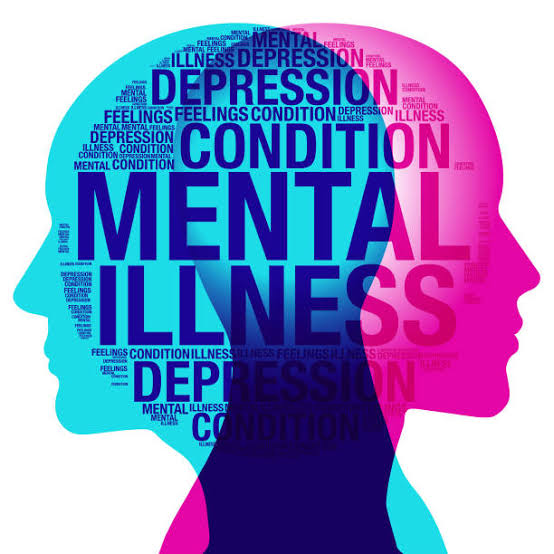
mental health refers to a person’s emotional, social, and psychological well-being. Mental health is as important as physical health as part of a full, active lifestyle.
It is harder to define mental health than physical health because many psychological diagnoses depend on an individual’s perception of their experience.
With improvements in testing, however, doctors are now able to identify some physical signs of some types of mental illness in CT scans and genetic tests.
Good mental health is not only categorized by the absence of depression, anxiety, or another disorder. It also depends on a person’s ability to:
enjoy life
*bounce back after difficult experiences and adapt to adversity
*balance different elements of life, such as family and finances
*feel safe and secure
achieve their full potential.

Factors for good health—
*Environmental factors
*Genetic factors
Thankyou ☺️🙂
 Site Title